


Numberblocks: Card Fun!
2.95.00 Reviews
App Specs
- Version
- 1.4.2
- Updated On
- License
- $3.49
- Downloads
- 10,000+
- Developer
- Blue Zoo
- Categories
- Educational
- Platform
- Android
Screenshots
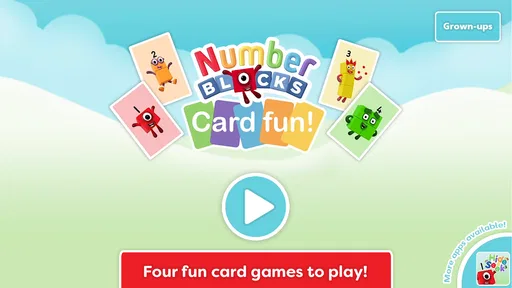
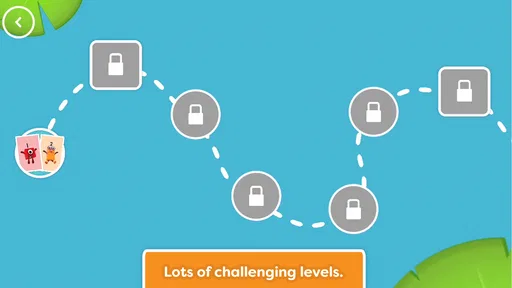
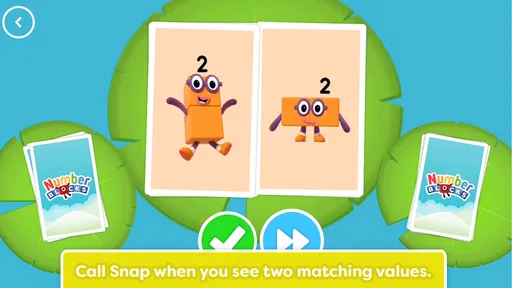
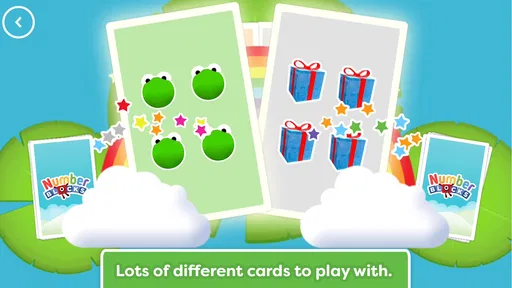
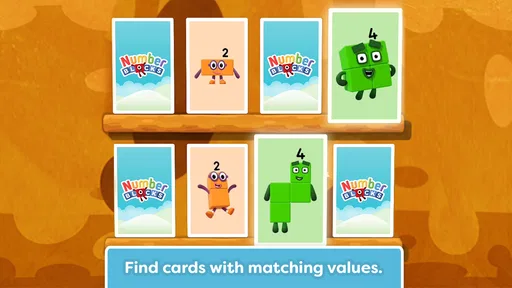
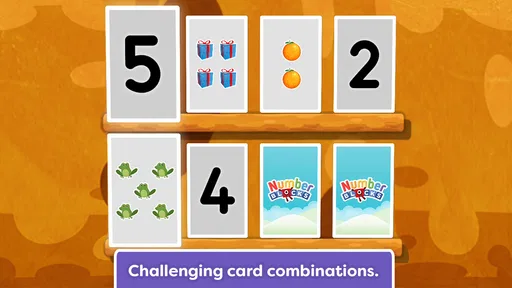
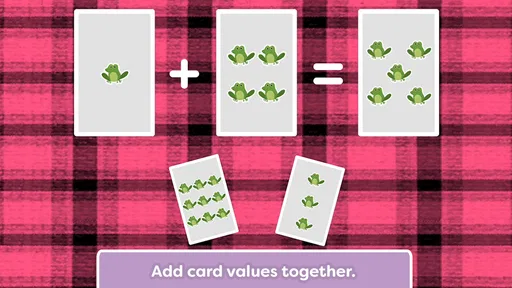
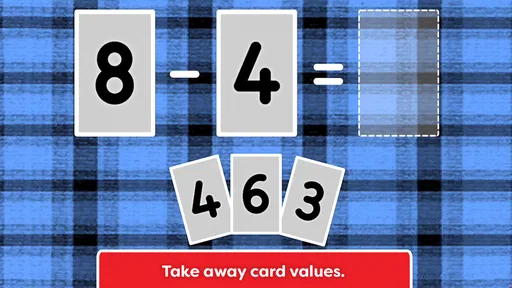
 Analysis by AppCompare
Numberblocks: Card Fun! is a small educational game with a clear purpose: helping young children become more comfortable with numbers through the familiar Numberblocks theme. After spending time with it, my overall view is that it works best as a short, parent-guided activity rather than a complete learning program. It has an appealing idea and a gentle entry point for early number practice, but its value depends heavily on whether your child enjoys card-based play and whether you are comfortable paying for a focused experience instead of a large collection of lessons.
Created by Blue Zoo, the game sits in the educational section and is suitable for Everyone. It costs $3.49, which makes the buying decision fairly simple: there is no need to weigh a subscription, but you should still ask whether a compact number activity deserves a place on your child’s device. Its average rating is 2.9 from around 90 ratings, so I would not approach it expecting universal approval. That mixed reception is useful context, especially for parents looking for something polished enough to use repeatedly.
What the card format does well
The strongest part of the experience is its focus. Many children’s learning apps try to cover counting, spelling, shapes, memory, drawing, and general puzzles all at once. This one stays close to number literacy. That narrower design can be a real advantage for a child who needs extra confidence with numbers but becomes distracted by a busy menu full of unrelated activities.
The Numberblocks presentation also gives the subject a recognizable personality. For a child who already knows the characters, number practice may feel less like a worksheet and more like play. I found that this kind of familiarity matters most at the beginning. A child who hesitates when asked to count objects on paper may be more willing to engage when the task is framed around colorful characters and cards.
The card idea is particularly suitable for short sessions. It naturally encourages a child to look, compare, identify, and respond instead of sitting through a long lesson. That makes it useful during the awkward gaps in a family routine: a few minutes before leaving the house, a quiet activity after school, or a calm alternative to a fast-moving video. I would not treat it as a replacement for hands-on counting with blocks, coins, snacks, or toys, but it can give those real-world activities a digital companion.
One of the less obvious strengths is that the game can help a parent notice how a child approaches numbers. Does the child recognize a quantity immediately, or count one item at a time? Do they confuse a written numeral with the amount it represents? Do they rush because the characters are exciting, or pause because the task feels uncertain? Watching those habits is more valuable than simply seeing whether an answer is correct.
For that reason, I recommend sitting nearby during the first few sessions. Instead of correcting every mistake immediately, I would ask the child to explain how they reached an answer. If they count aloud, that is useful information. If they guess based on the character’s appearance, that tells you the activity may need to be followed by physical counting practice. The game becomes more educational when it starts a conversation rather than functioning as an unattended digital babysitter.
Worth Reading Before You Choose

Flipboard Shows What News Apps Must Do Beyond the Feed

Switching to Android Auto Means Rethinking Your Driving Routine

Google Calendar Makes a Crowded Week Easier to Manage

Ludo King Makes the Most of the Minutes Between Plans

Baby Panda World Brings Quick Play to Modern Phones, but Its Game Library Feels Busy

ESPN’s Live Game View Makes Following Close Games Easier
There is also a practical advantage to the game’s limited subject. A parent can use it as a targeted warm-up before another activity. For example, after a brief session, you might ask your child to find the same number of socks, buttons, or pieces of fruit. That simple transfer from screen to home is where number literacy becomes meaningful. The app introduces the prompt, while everyday objects show the child that numbers are not confined to the device.
How I would use it in an ordinary family routine
Imagine a child who is beginning to recognize numbers but still relies on counting for nearly everything. After breakfast, a parent could allow a short card session, then place a few familiar objects on the table and ask the child to make a matching group. The point is not to turn the morning into a formal lesson. It is to connect the visual number activity with something the child can touch and rearrange.
Another useful routine is to use the game after a mistake-free activity rather than when a child is already frustrated. If a child has just struggled with handwriting or a difficult puzzle, a number game may not feel relaxing. In that situation, I would save it for a different moment. The card format is most helpful when the child has enough patience to look carefully and respond, not when the device is being used to settle an emotional meltdown.
A third approach is to let siblings take turns, with the older child explaining how they think about a card without simply giving away the answer. This can turn a solitary app into a small conversation. It is not a substitute for a multiplayer game, and I would not assume the software manages sibling play for you, but the activity itself can support shared learning when an adult sets the rules.
Where the experience feels limited
The same focus that makes the game approachable also limits its long-term range. Children who quickly master basic number recognition may run out of challenge sooner than parents expect. If you want a broad mathematics curriculum with progression across addition, subtraction, measurement, geometry, and problem-solving, this is not the right tool by itself. A dedicated learning platform or carefully chosen physical games will offer a wider path.
I also think the card format requires realistic expectations. Cards can make recognition and comparison feel playful, but they do not automatically teach deep understanding. A child may learn to identify a familiar visual pattern without being able to explain what the number means in a new context. That is why I would avoid measuring success only by speed. Ask the child to show the quantity with objects, say the number aloud, or find another example in the room.
Parents should also be prepared to provide some of the structure. The game is easier to appreciate when an adult decides when to play, how long to continue, and what to do after an incorrect answer. Without that support, a child may tap through the activity quickly or focus more on the characters than on the number relationship. This is not necessarily a flaw in a children’s game, but it does mean the purchase is less compelling for families seeking a completely hands-off learning experience.
The mixed rating is another reason to keep expectations measured. I would not dismiss the game because of a 2.9 average, but I would also avoid assuming that the Numberblocks brand guarantees a perfect fit. Children respond differently to repetition, visual style, and the pace of digital activities. If your child already dislikes card games or prefers open-ended building and drawing, the theme may not be enough to hold attention.
There is a further trade-off between digital convenience and physical learning. A phone or tablet is tidy, portable, and easy to offer during travel. Physical cards, counters, and blocks are messier, but they allow children to move pieces, make groups, and invent their own questions. For a child who needs to understand quantity through touch, the physical option may be more effective. I see this game as a supplement, not a replacement for those experiences.
Who will get the most from it
I would recommend it most strongly to families with a young child who already enjoys Numberblocks and needs friendly practice with early number ideas. The familiar theme can lower the barrier to starting, while the focused format makes it easier to fit a short activity into a busy day. It is also a reasonable choice for a parent who wants a one-time purchase rather than an ongoing subscription.
It may suit children who benefit from repetition but dislike formal worksheets. Repeating a simple card activity can be useful when the child is building confidence, provided the repetition remains enjoyable. I would watch for signs that the child is guessing or losing interest. Once the game stops encouraging careful thinking, it is time to pause and switch to a real-world activity.
It is less suitable for an advanced learner who needs increasingly difficult challenges, or for a child who needs a highly structured teaching program with detailed progress tracking. It is also not my first choice for parents who want a broad collection of unrelated educational subjects in one download. The narrow number-literacy focus is a strength for the right family and a weakness for everyone expecting a full early-learning suite.
Before buying, I would consider three practical questions. Will my child recognize and enjoy the Numberblocks characters? Am I willing to sit with them at least occasionally and connect the screen activity to objects outside it? Do I want a compact number game, or am I really looking for a complete mathematics curriculum? Honest answers make the decision clearer than the theme alone.
Device details and everyday practicality
The game was released on December 22, 2019, and its current version is 1.4.2. It requires Android 8.0 or later, so families using an older device should check compatibility before planning around it. Those details also suggest that this is an established title rather than a newly launched experiment, although age alone does not determine whether it will feel right on a particular device.
It has passed the ten-thousand-install mark, which shows that it has found an audience, but that reach should not be confused with a guarantee of quality for every child. The price of $3.49 keeps the commitment modest, yet the best value comes when the game is used intentionally. A child who plays it once and never returns will not gain much from the purchase; a child who enjoys brief, repeated practice may make better use of it.
I would also make the first session a test of attention rather than a test of ability. Notice whether your child looks at the cards carefully, talks about the numbers, and accepts a second attempt after an error. Those behaviors matter more than finishing quickly. If the child is engaged but needs help, the game may be a good teaching prompt. If the child ignores the number content and only wants to tap through, another kind of activity may be a better investment.
My recommendation after weighing the trade-offs
My final opinion is cautiously positive. Numberblocks: Card Fun! has a clear educational identity, an approachable theme, and a format that can fit naturally into short practice sessions. I like it most as a bridge between screen-based play and simple number conversations at home. Used that way, it can help a child become more comfortable noticing numbers and quantities without making every interaction feel like school.
However, I would not buy it expecting a complete learning journey. Its narrow focus, need for occasional adult guidance, and uncertain appeal beyond Numberblocks fans are important limitations. Families wanting advanced mathematics, detailed progression, or a broad range of subjects should choose a more comprehensive alternative. Families who prefer entirely hands-on learning may also get more from physical counters and cards.
The best reason to choose this game is not that it replaces teaching, but that it gives a child an inviting starting point for talking about numbers. At $3.49, I think it is worth considering for a Numberblocks-loving child who benefits from gentle repetition and short activities. I would skip it for a child who needs substantial challenge or for a parent hoping to press play and receive a complete lesson without involvement.
Pros
- Bright
- child-friendly artwork makes the cards easy to recognize.
- Simple matching activities are suitable for early learners.
- Familiar Numberblocks characters help maintain children’s interest.
- Short play sessions work well for preschool attention spans.
- Useful for reinforcing number recognition away from the classroom.
Cons
- Some activities may feel repetitive after several play sessions.
- Younger children may need help understanding the game instructions.
- The educational content is focused mainly on basic number skills.
- Progression may be too easy for children who already know their numbers.
- Availability and features can vary depending on the device or region.
FAQs for Numberblocks: Card Fun!
What is Numberblocks: Card Fun!?
Numberblocks: Card Fun! is an educational card-matching game based on the popular Numberblocks characters. It introduces young children to early number skills through simple, colorful activities involving counting, recognizing quantities, matching numbers, and identifying Numberblocks. The presentation is designed to feel like play rather than a traditional lesson, making it suitable for short, relaxed learning sessions at home or on the go.
What age group is Numberblocks: Card Fun! suitable for?
The game is mainly aimed at preschool and early-years children who are beginning to learn numbers. Its straightforward card activities and visual design make it accessible to children who may not yet be confident readers. Younger players might need help understanding the instructions at first, while older preschoolers can usually explore the activities more independently. Parents should still choose the difficulty and play time according to the child’s development.
What educational skills can children practice in the game?
Numberblocks: Card Fun! focuses on foundational numeracy rather than advanced mathematics. During play, children can practice counting, number recognition, matching, visual memory, and connecting written numerals with quantities. The familiar Numberblocks characters also help make abstract numbers easier to understand. It works best as a supplement to adult-guided learning, conversation, and real-world counting activities, rather than as a complete replacement for preschool teaching.
Is Numberblocks: Card Fun! free to download, and does it include in-app purchases?
Availability, pricing, and purchase options can vary depending on the country, device, and the current version listed in the Google Play Store or Apple App Store. Before downloading, parents should check the store page carefully for the price, optional purchases, advertising information, and any subscription details. Reviewing these sections in advance is especially important when the app will be used by children on a shared device.
Does Numberblocks: Card Fun! require an internet connection or collect personal information?
The basic card activities may be designed for convenient use on a mobile device, but some features, updates, downloads, or store-related functions could require an internet connection. Requirements can change with app updates, so it is worth checking the current listing and privacy policy before installing. Parents should also review permissions and account settings, particularly if children use the app independently, to understand what information may be collected or shared.


